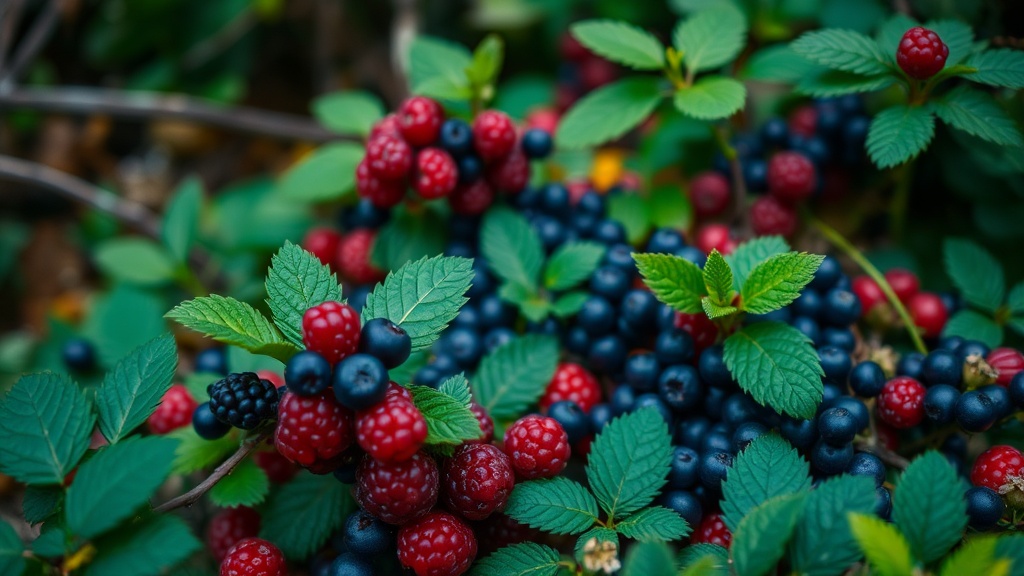
Finding the Best Wild Berry Patches Near Powell River

Are you wondering where the best wild berry patches are hiding around the Sunshine Coast and the Malaspina Peninsula? This guide identifies the specific types of berries found in our coastal mountains, the best times to go foraging, and the legal rules for harvesting in British Columbia. Finding high-quality fruit in the wild requires more than just luck—it takes knowing the terrain and the seasonal cycles of the Powell River area.
Where Can You Find Wild Berries Near Powell River?
You can find wild berries in a variety of locations ranging from the coastal lowlands to the higher elevations of the Coast Mountains. Most of our local fruit grows in the "edge" habitats—the places where the forest meets a clearing, a trail, or a riverbank. If you head toward the outskirts of town or up the more remote logging roads, you'll find much higher concentrations of fruit than in the residential areas.
Salmon Arm and the areas surrounding the Sunshine Coast are famous for their berry diversity. For those looking for a more structured outdoor experience, you might want to check out planning a weekend in Powell River to see how a berry-picking excursion fits into a larger local itinerary.
Here is a breakdown of where to look for specific types:
- Lowlands/Shorelines: Best for Salmonberries and Blackberries. Look near the edges of tidal marshes or damp coastal paths.
- Forest Edges/Secondary Growth: The primary spot for Huckleberries and Blueberries. These thrive in areas where sunlight hits the forest floor.
- High Elevation/Alpine: Reserved for the more specialized berries like Soapberry or certain wild strawberries during the peak of summer.
- Gardens/Old Homesteads: Often, you'll find escaped varieties of raspberries or currants in the older, unmaintained corners of rural properties.
What Berries Are Common in British Columbia?
The most common wild berries you will encounter in our region are Salmonberries, Blackberries, Huckleberries, and Thimbleberries. Each of these has a distinct look and a specific way of growing. Knowing the difference is a matter of survival—not just for taste, but to ensure you aren't picking something you shouldn't.
Salmonberries are the first sign of summer. They are a dull, yellowish-orange color and have a slightly tart, mushy texture. They don't stay fresh long, so eat them right where you find them. Blackberries (specifically the wild ones, not the garden varieties) are much more aggressive and often take over the undergrowth. They are dark, shiny, and much sweeter once the sun hits them.
Then there is the Huckleberry. This is the gold standard for many locals. They are smaller than blueberries and have a deep, rich flavor that you just can't find in a grocery store. If you find a patch of these, don't tell too many people—they disappear fast.
For those interested in the botanical accuracy of these species, the Botanical Society of Canada provides excellent resources on plant identification and regional flora. It's a good idea to brush up on your plant knowledge before heading into the bush.
Below is a quick comparison of the most common wild berries found around the Powell River area:
| Berry Type | Color | Best Season | Flavor Profile |
|---|---|---|---|
| Salmonberry | Orange/Yellow | Late Spring/Early Summer | Mild, slightly tart |
| Blackberry | Deep Black | Mid to Late Summer | Sweet and juicy |
| Huckleberry | Dark Blue/Purple | Late Summer | Rich, intense sweetness |
| Thimbleberry | Bright Red | Mid Summer | Delicate, soft texture |
Is It Legal to Pick Wild Berries in BC?
Yes, it is generally legal to harvest small amounts of wild berries for personal use on Crown land in British Columbia, provided you follow certain provincial regulations. You aren't allowed to "commercialize" your harvest—meaning you can't pick a bucket of berries and sell them at a local farmer's market without a specific permit.
The rules change depending on where you are standing. If you are on private property, you need the owner's permission. Period. Even if a patch looks like it's on the edge of a trail, always check your surroundings. If you see a sign or a fence, you're likely on private land. One mistake here can lead to more than just a bruised ego (and a potential fine).
Also, be mindful of Parks Canada regulations if you are venturing near protected areas. In many provincial parks, there are strict "no-pick" rules to protect the ecosystem. It's always better to check the Parks Canada website or local provincial park guidelines before you grab your bucket. The goal is to take enough for your pie, but leave enough for the bears and the birds.
Essential Gear for Berry Picking
You shouldn't just wander into the bush with your bare hands. A little preparation goes a long way in making the experience actually enjoyable rather than a chore. If you're unprepared, you'll end up with scratched arms and a messy harvest.
1. The Right Container
Don't use a solid plastic bag. The berries will crush under their own weight and turn into a fermented mush by the time you get home. Use a mesh basket or a sturdy-bottomed container with air holes. This allows the fruit to breathe and prevents bruising.
2. Clothing and Protection
The brush in the Powell River area can be thick and unforgiving. Wear long pants and long sleeves—even if it's a warm day. This protects you from thorns and the inevitable ticks. I highly recommend a pair of sturdy hiking boots; you'll be stepping over roots and uneven ground constantly. If you're serious about the bush, a pair of lightweight gloves can also help when reaching into thickets.
3. Identification Tools
Never, and I mean never, eat a berry unless you are 100% certain of what it is. A field guide or a high-quality plant identification app is a decent backup, but nothing beats actual knowledge. If you aren't sure, leave it alone.
Pro-Tips for a Successful Harvest
If you want to actually find the good stuff, you have to change your perspective. Most people look at the ground; you should be looking at the sunlight. Berries need light to grow, so look for clearings, sun-drenched slopes, and the edges of old clearings. If a patch is in deep, dark shade, the fruit will be small and sour.
Watch the weather. A few days of heavy rain can wash away your harvest or make the berries too mushy to pick. On the other hand, a heatwave can dry them out. The "sweet spot" is usually a period of warm, sunny days following a light rain. This is when the sugar content is at its peak.
One more thing: be respectful of the terrain. If you're hiking through a sensitive area, try not to trample the surrounding vegetation just to get to a single bush. The goal is to leave the area looking exactly as you found it. This is part of being a responsible local. We want these patches to be here for years, not just for this season.
The best way to approach this is to treat it like a slow stroll rather than a race. When you're looking for berries, you're naturally looking at the ground and the low branches. This is a great way to spot local wildlife or interesting plant life that you'd otherwise miss. It's a meditative way to experience the local landscape, provided you have the right gear and the right attitude.
Steps
- 1
Identify your berry first
- 2
Check local land permissions
- 3
Pack the right gear
- 4
Harvest with care